



Sister project
ENLIVEN (opens in a new tab)

This project has been funded by Marie Skłodowska-Curie Actions (MSCA) Postdoctoral Fellowships, part of the EU’s research and innovation framework programme Horizon Europe under Grant Agreement N° 101244206
- PROJECT INFO
- HORIZON EUROPE UNDER GRANT AGREEMENT N° 101244206
- FUNDING BY
- MARIE SKŁODOWSKA-CURIE ACTIONS (MSCA)
- FELLOW
- MARTA SENDRA VEGA · NIB (SLOVENIA)
- AMOUNT FUNDING
- €198,000
Description
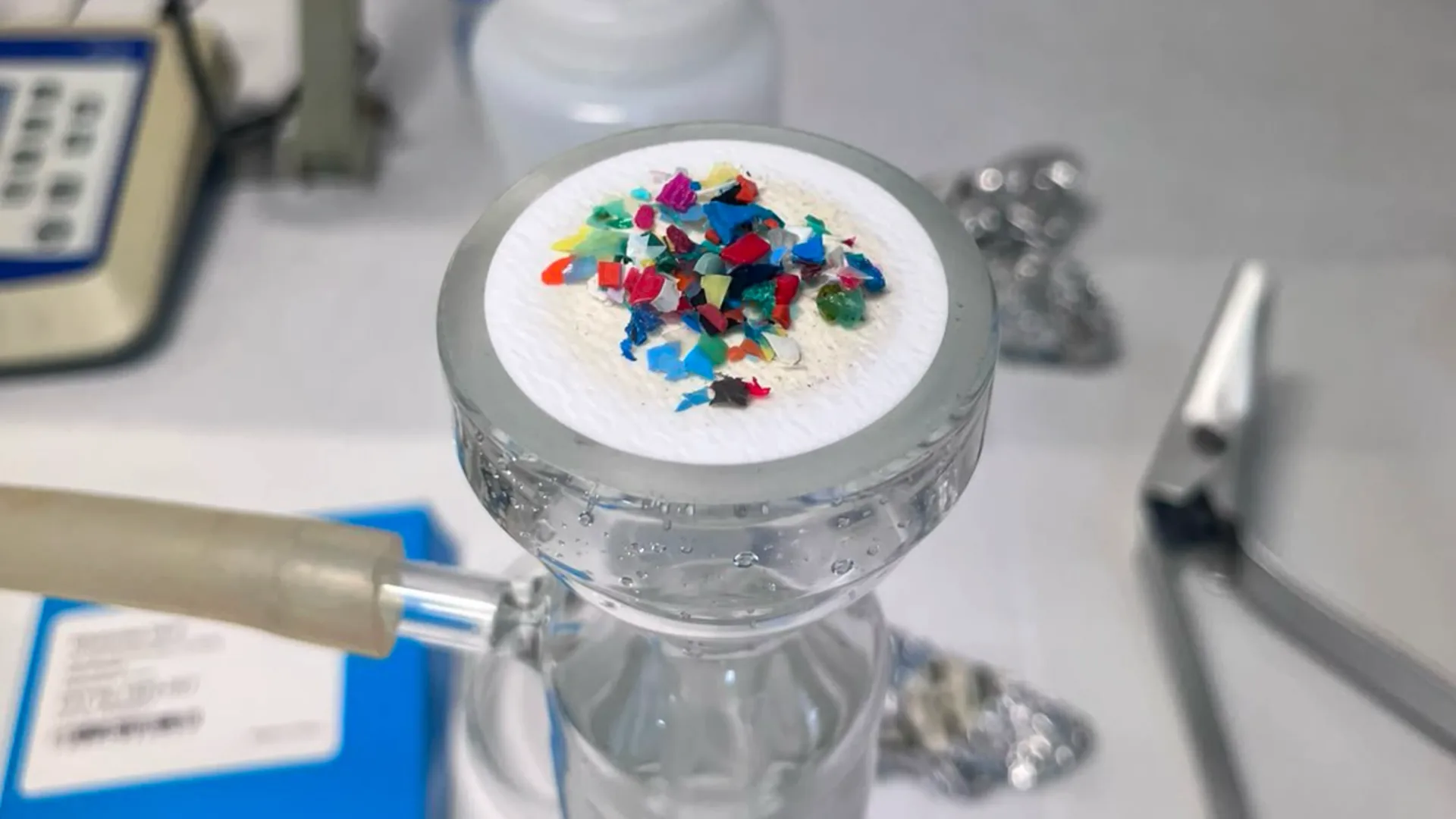
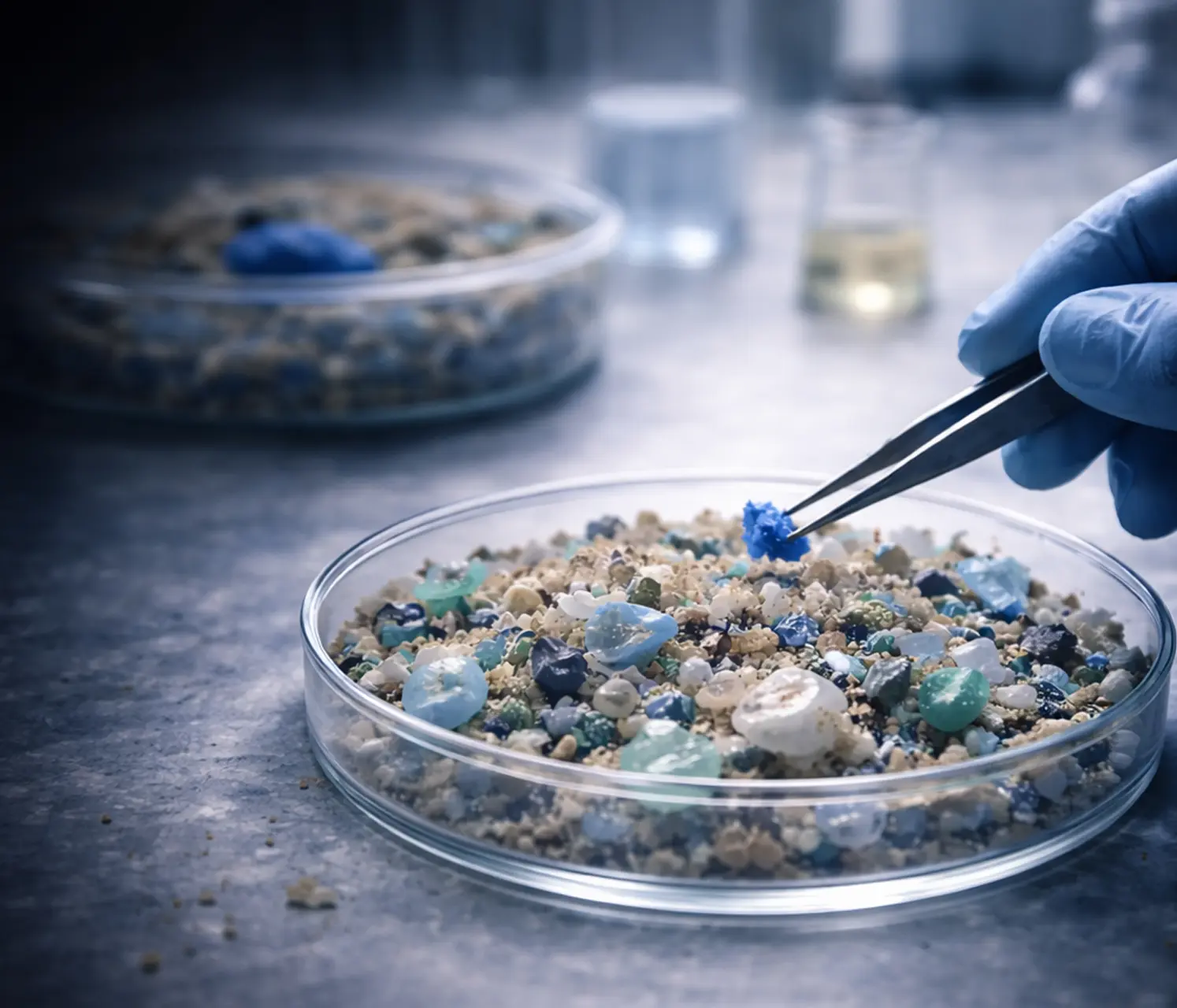
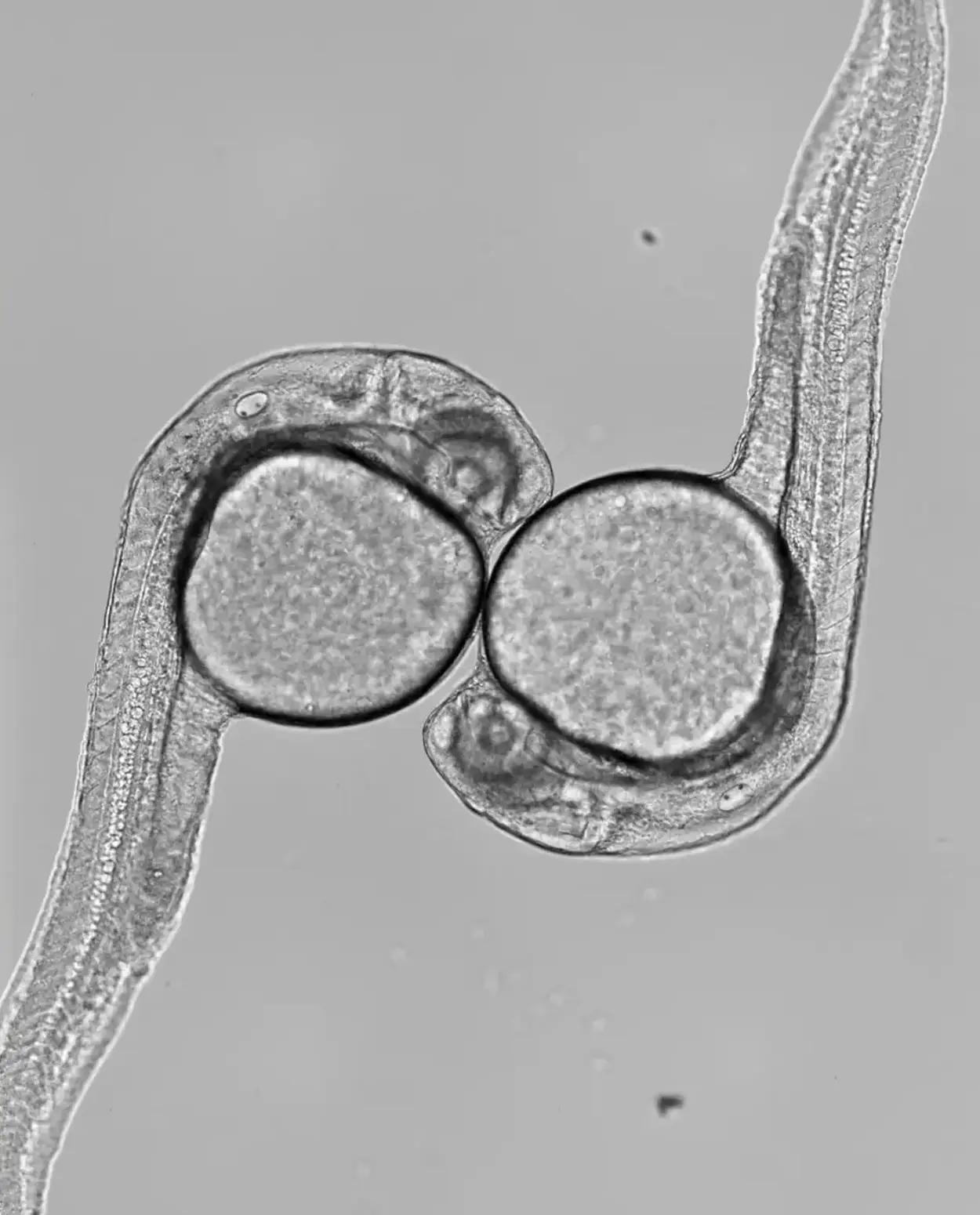
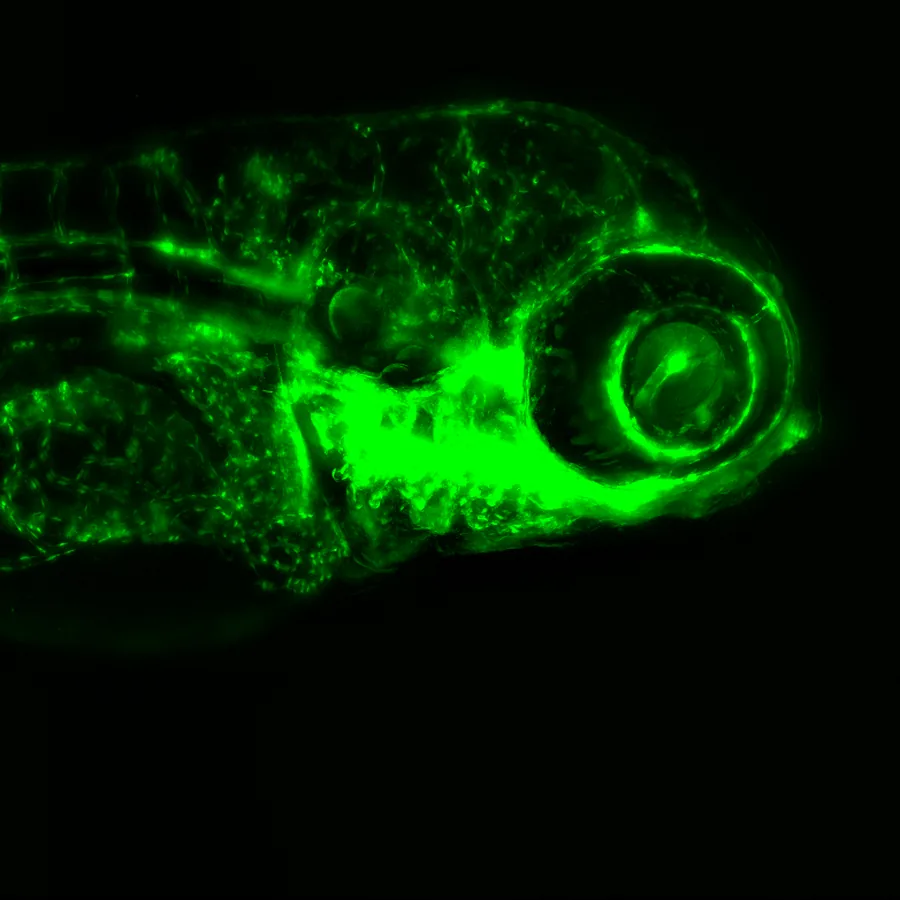
Microplastics (MPs) have penetrated all the elements of our daily life, including the air we breathe and the food we consume. The risk increases when they break down into nanoscale plastics (NPs), as the smaller particles can enter cells and vital organs. While this poses threats to both ecology and human health, few studies focus on the long-term effects. In this context, the EU-funded ENLIVEN project uses human liver organoids and zebrafish embryos. ENLIVEN studies the effects of environmental nanoplastics (eNPs) on liver resilience and gene response to sensitise researchers to advanced nanotoxicology. It will map toxicological pathways, improve health risk prediction, and grow long-term capabilities in environmental health involving single-cell RNA sequencing and cutting-edge methodologies.
Objective ReadClose
ENLIVEN is a research-through-training project designed to equip researcher with key expertise to tackle challenges in nanotoxicology. Plastic pollution has rapidly surpassed unprecedented in less than a century, with microplastics (MPs) found across various environments, ecosystems, and within the human body. MPs are present in the food we eat, the air we breathe, and the water we drink. While current analytical techniques limit the detection of nanoplastics (NPs <100 nm), plastic degradation continues beyond the microscale, leading to nanoscale interactions with potentially unknown consequences. NPs pose significant environmental and public health risks, particularly due to chronic exposure to harmful chemicals. Environmental nanoplastics (eNPs) are of particular concern due to their ability to penetrate cells and vital organs, increasing their retention in organisms. However, most research focuses on the environmental impact of MPs and NPs, leaving critical gaps in understanding their long-term effects on public health and biology. ENLIVEN aims to address this by uncovering the biological mechanisms of eNPs, examining their degradation, liver resilience, and long-term health impacts. Using human liver organoids and zebrafish embryos, ENLIVEN will study genes related to tolerance, sensitivity, and heritability, alongside liver resilience. The project proposes an innovative, integrative approach in predictive toxicology, combining bottom-up and top-down methodologies. It will link Adverse Outcome Pathways (AOP) through single-cell combinatorial RNA-seq and explore phenotypic variability via Drug-Induced Liver Injury studies in human liver organoids. This research will advance comparative human toxicology by revealing the biological mechanisms that respond to eNPs throughout life. Additionally, ENLIVEN will enhance researchers’ career prospects, foster international collaborations, and support the establishment of a research group at the home institution in Spain.