THE PROJECT, MONTH BY MONTH
Field campaigns, laboratory stays, conferences and milestones. A running record of how NanoBreak is being built, from the first sampling on the coast to the latest imaging session.
PROJECT DIARY
Field campaigns, laboratory stays, conferences and milestones — a running record of how NanoBreak is being built.
-
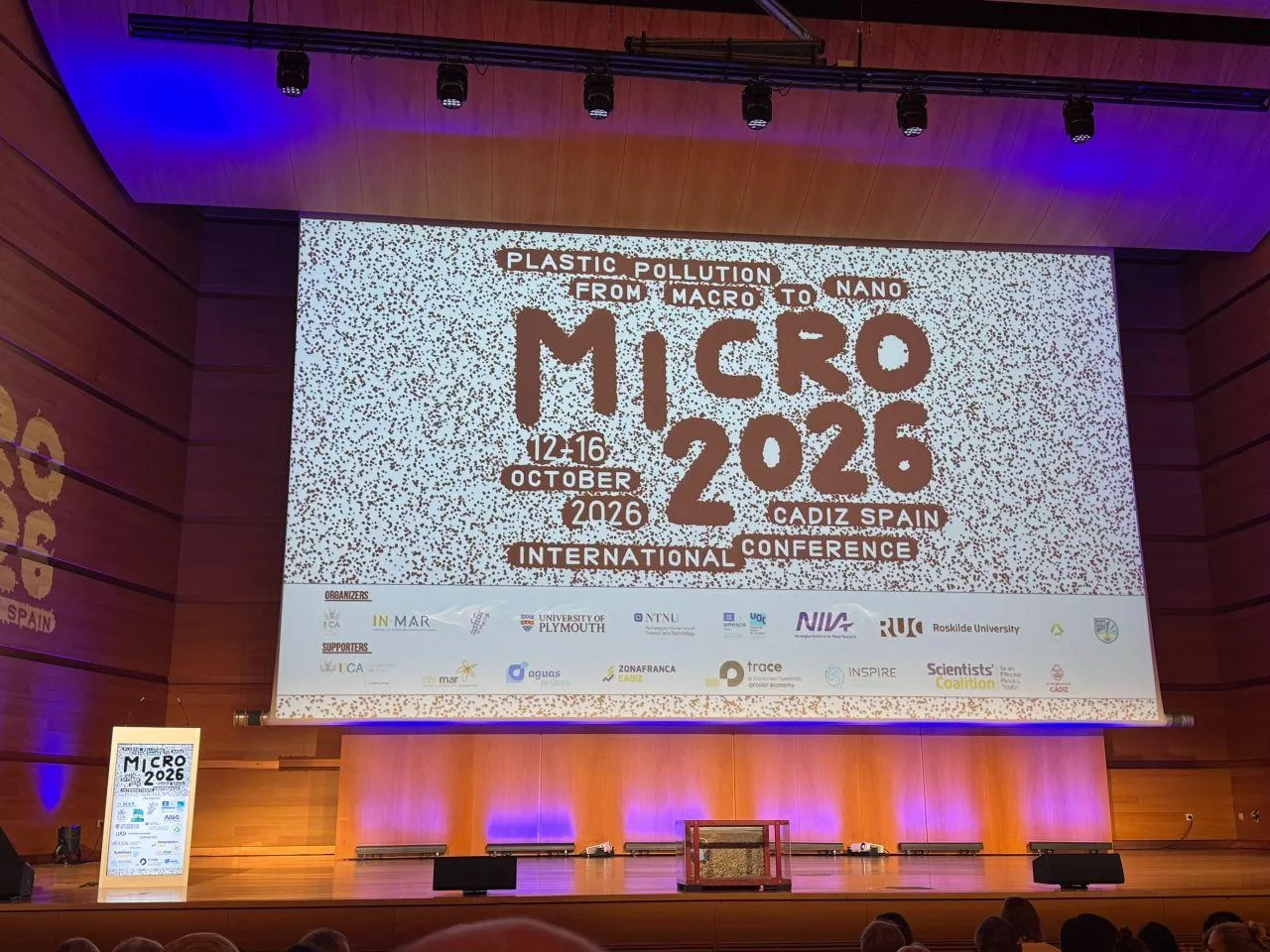
MICRO 2026 International Conference
We attended the 6th Edition of MICRO 2026 in Cádiz with an oral presentation on the natural weathering of plastic items in coastal environments and a poster on how exposure route to polystyrene nanoplastics shapes lysosomal and proteolytic responses in zebrafish embryos.
-
Exploring Plastic
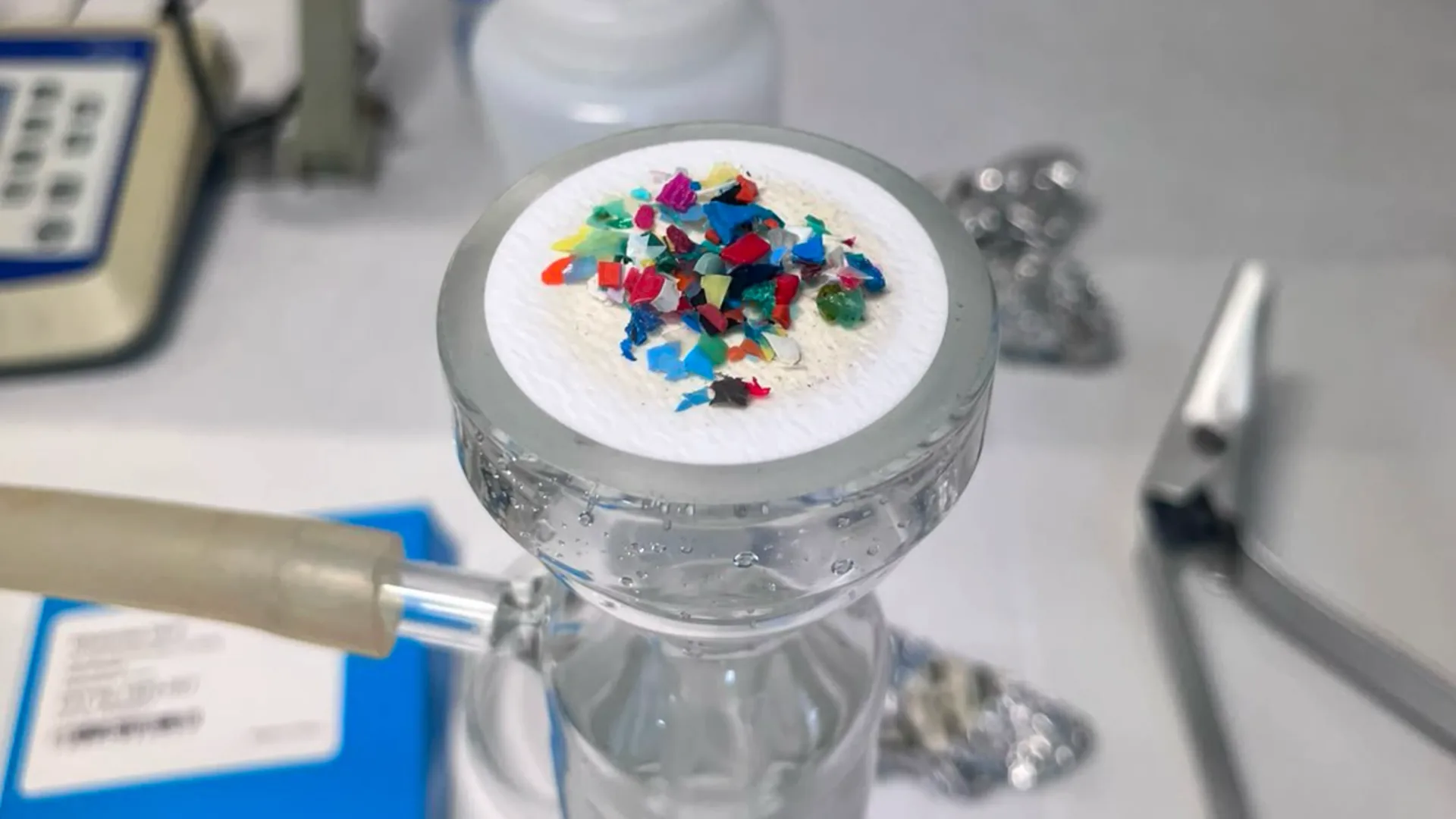
During the last month, our team at the University of Cádiz has been working on a new experimental phase of the project focused on understanding the interactions between plastic materials and the surrounding environment. Using controlled laboratory conditions, we are generating samples that will help us explore the complex mixture of substances that can be released from environmentally relevant plastics. These samples will now undergo advanced chemical characterization, providing new insights into the behaviour of plastic materials throughout their environmental life cycle. Another step forward in our research journey! Follow our project for the next steps… The best is yet to come!
-
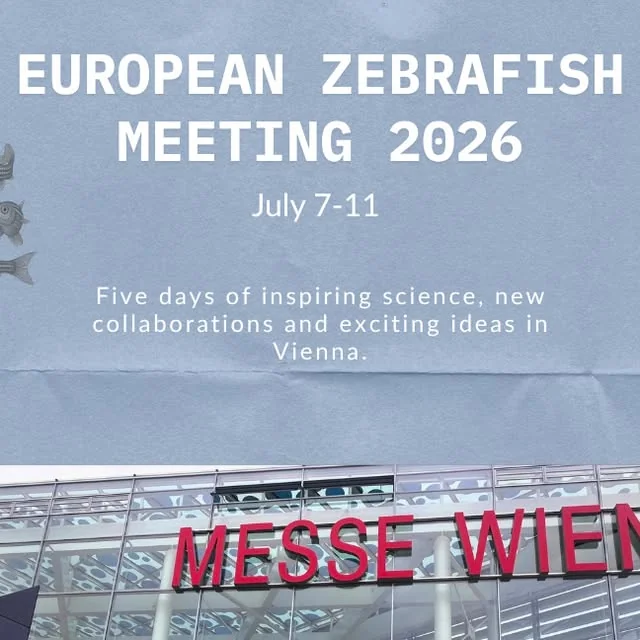
13th European Zebrafish Meeting (EZM2026)
NanoBreak presented its latest work on how different exposure routes influence the biodistribution and cardiovascular toxicity of micro- and nanoplastics in zebrafish embryos, alongside sessions on advanced imaging, automated microscopy and spatial multi-omics.
-
Scientific stay at CelVivo
Katja Kološa, PhD and Marta Sendra, PhD worked on organoid culture, experimental set-up, treatments and real-time observation, combining careful sample preparation with microscopy and hands-on laboratory work using CelVivo bioreactor technology.
-
Imaging the invisible
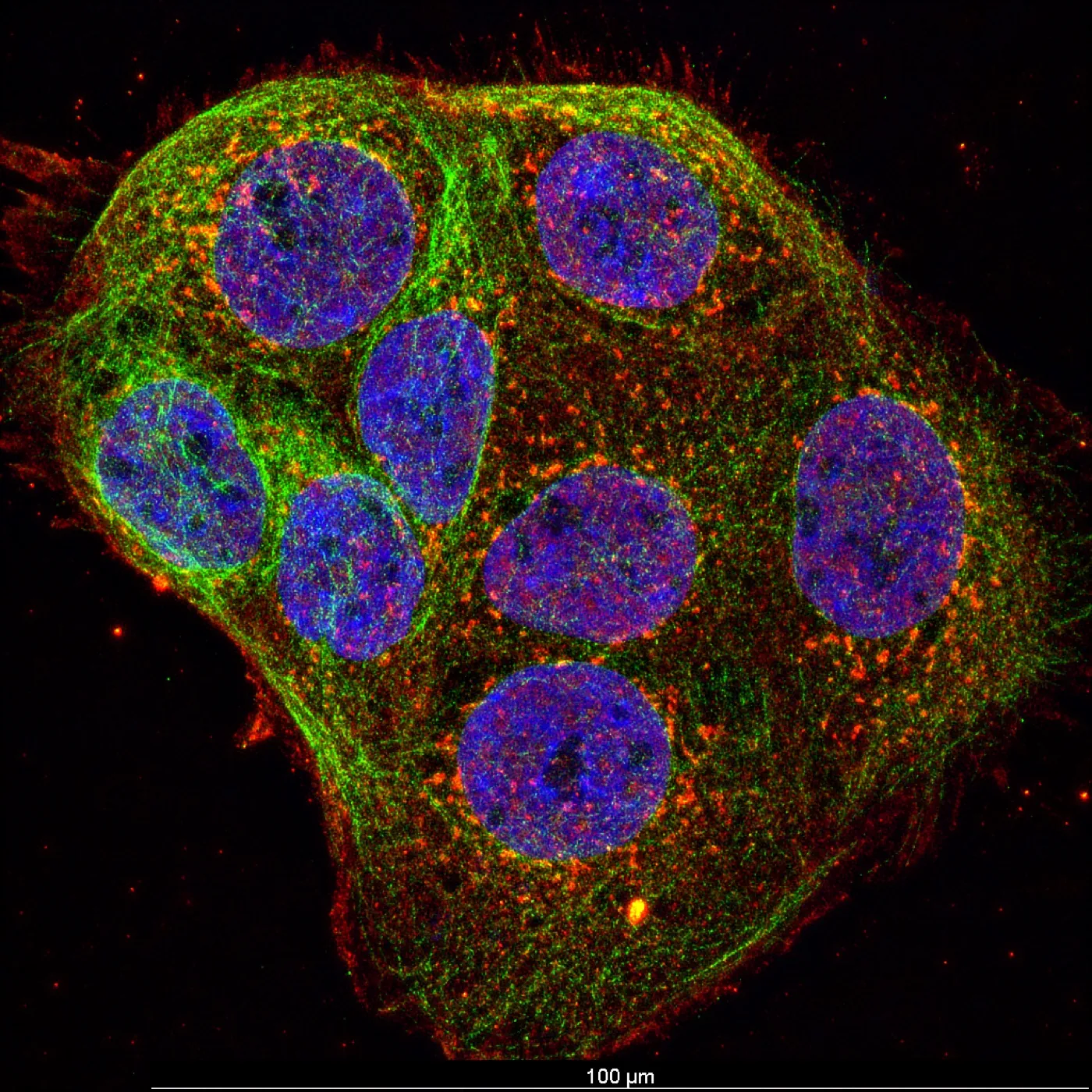
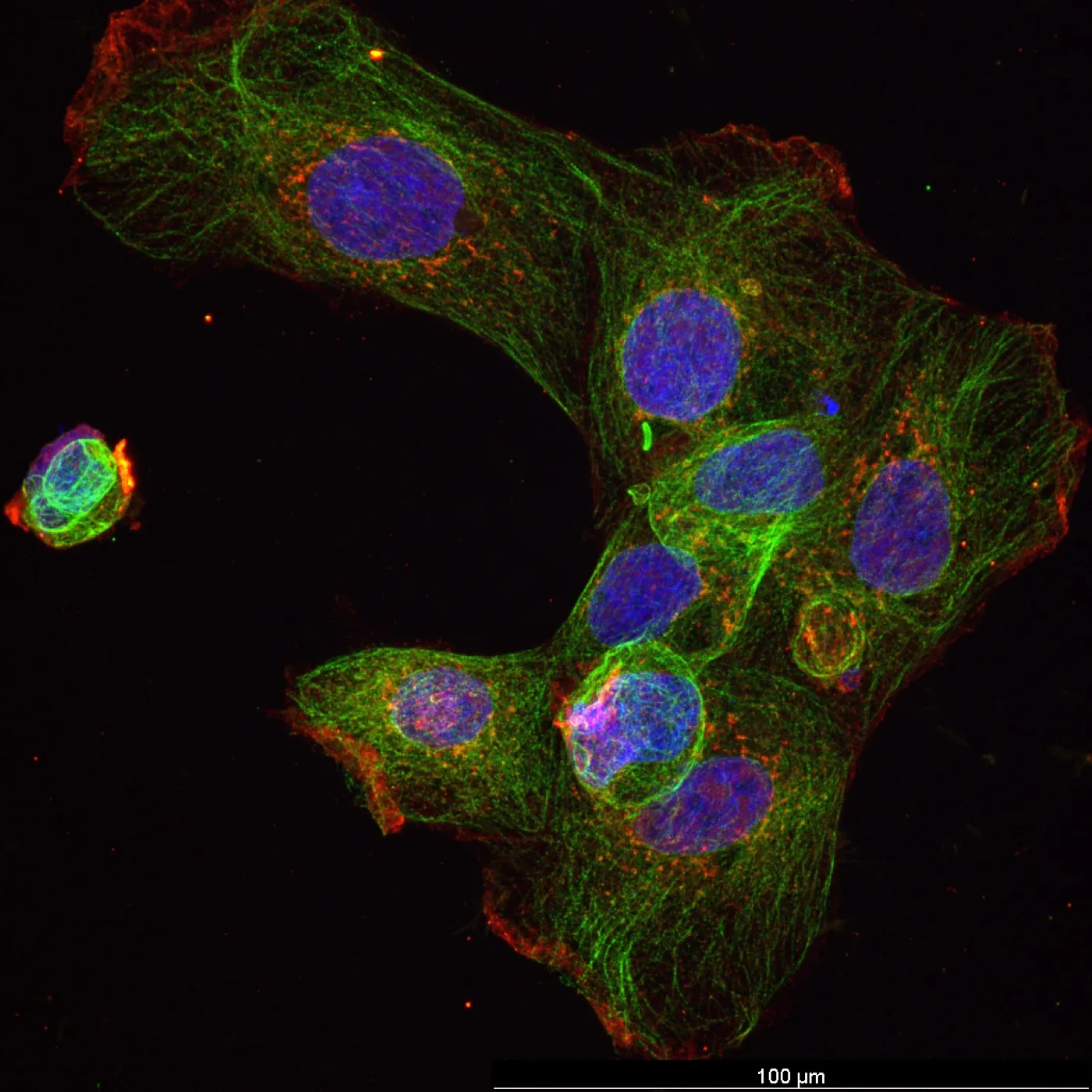
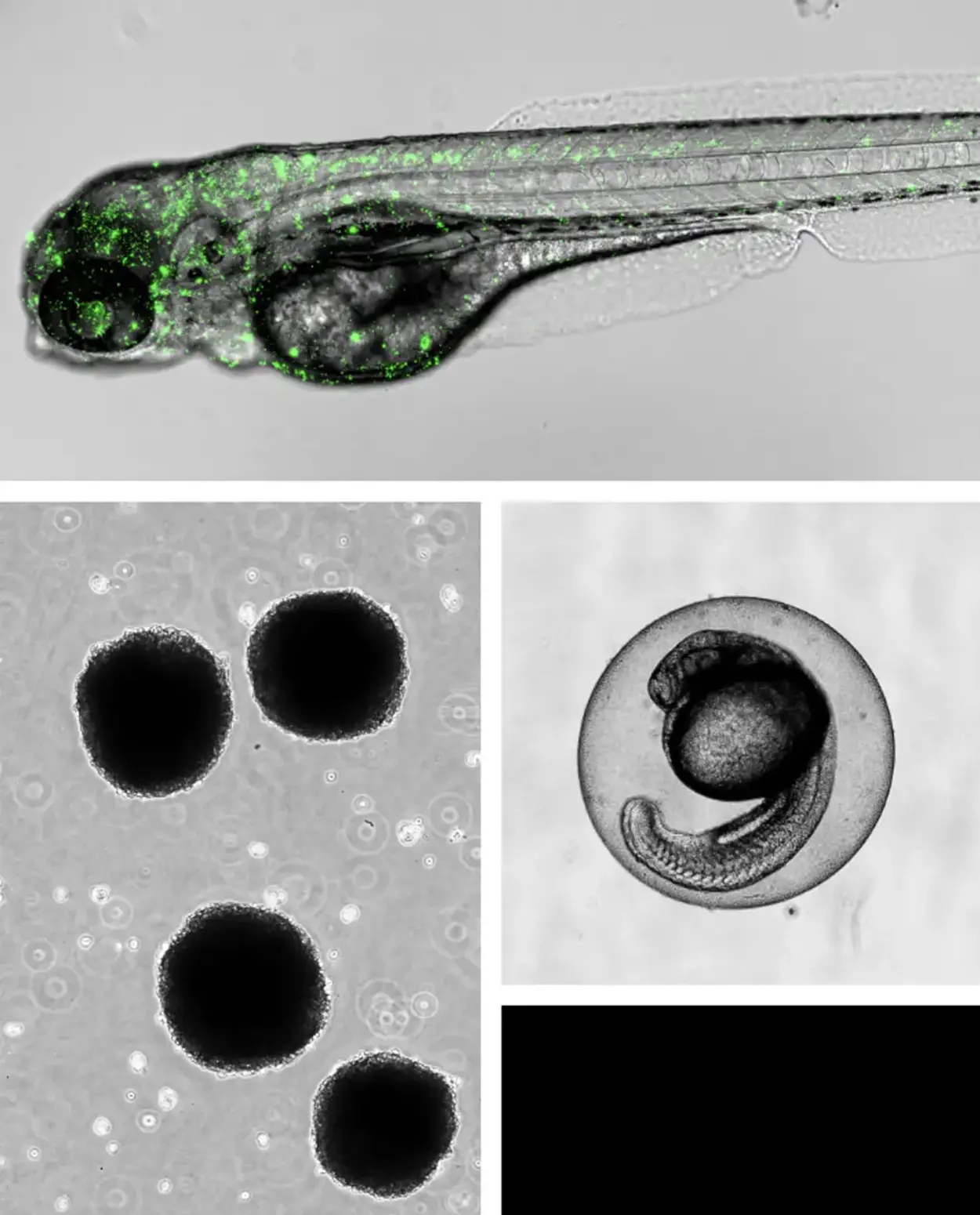
Confocal microscopy and live-imaging sessions on human cell models and zebrafish embryos, following particle exposure from the single cell to the whole developing organism. A selection of this imagery is published on the project page.
-
CutCancer Final Conference
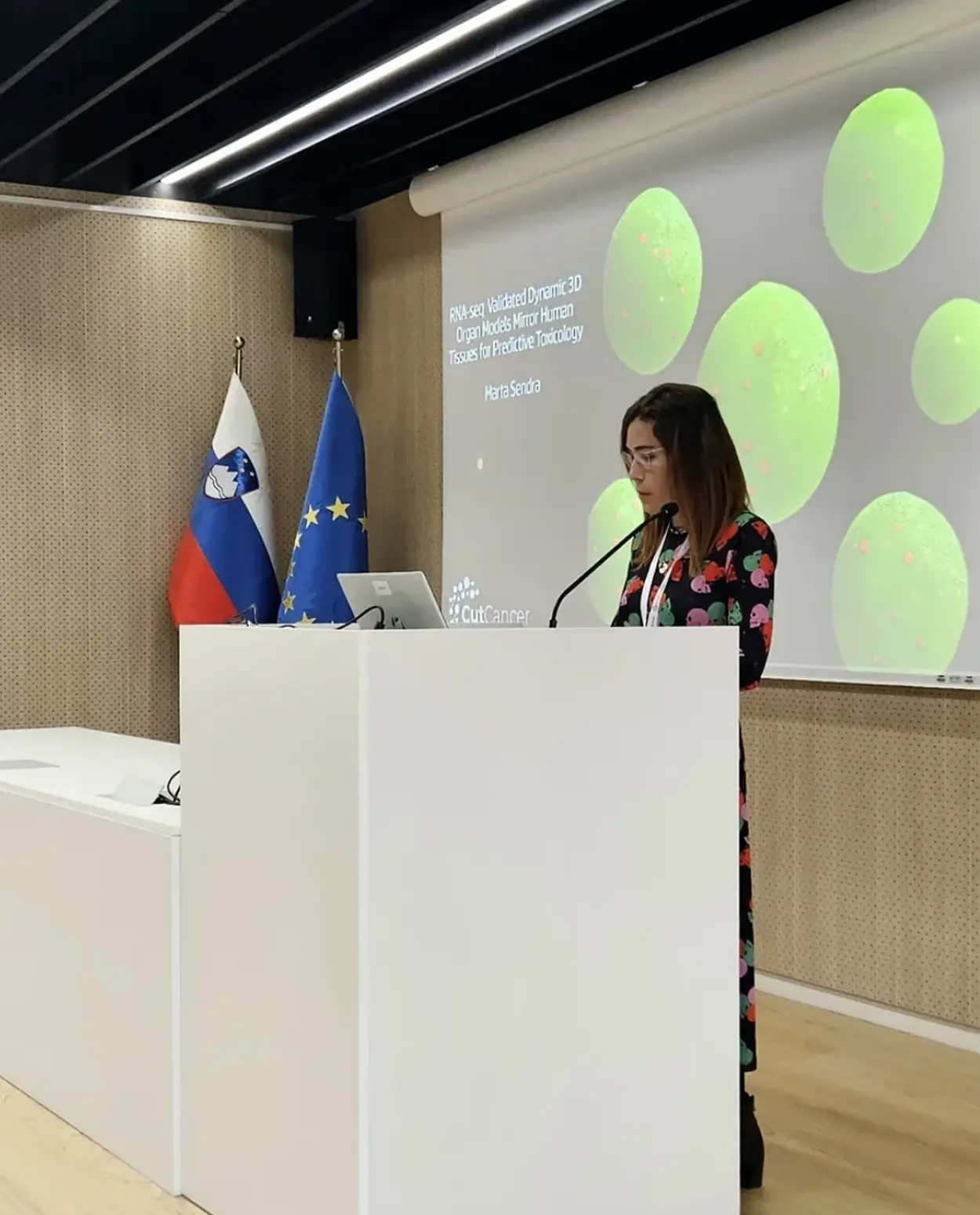
The NanoBreak team took part in the CutCancer Final Conference, hosted at the National Institute of Biology — two days of sharing ideas and connecting with research groups working on advanced in vitro models.
-
Sampling campaign on the Slovenian coast
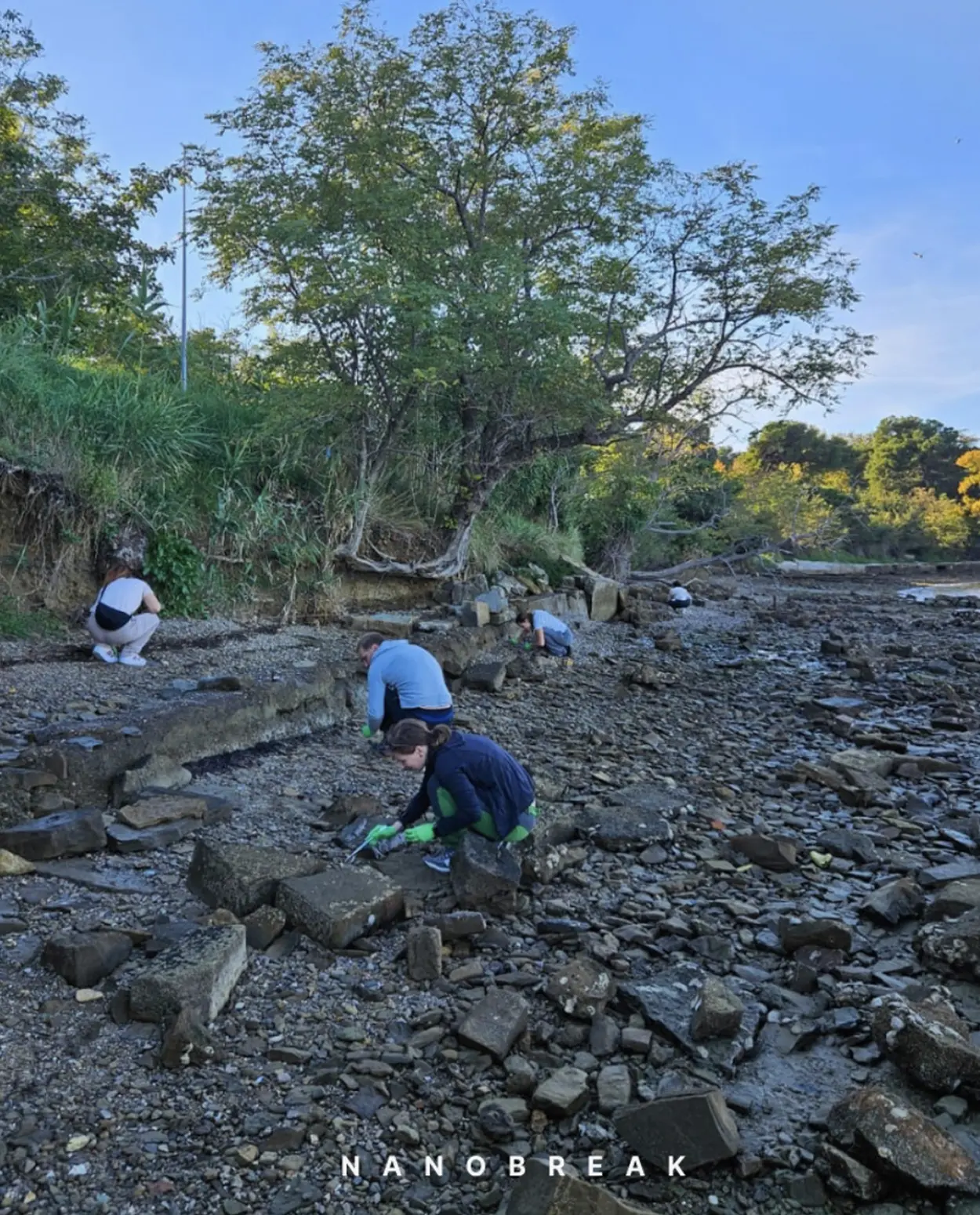
The team went out to collect micro- and nanoplastics from the shoreline of Slovenian Istria. Weathered plastic debris gathered on European coasts is the starting material for the environmentally derived nanoplastics used throughout the project.
-
International Congress CroTox
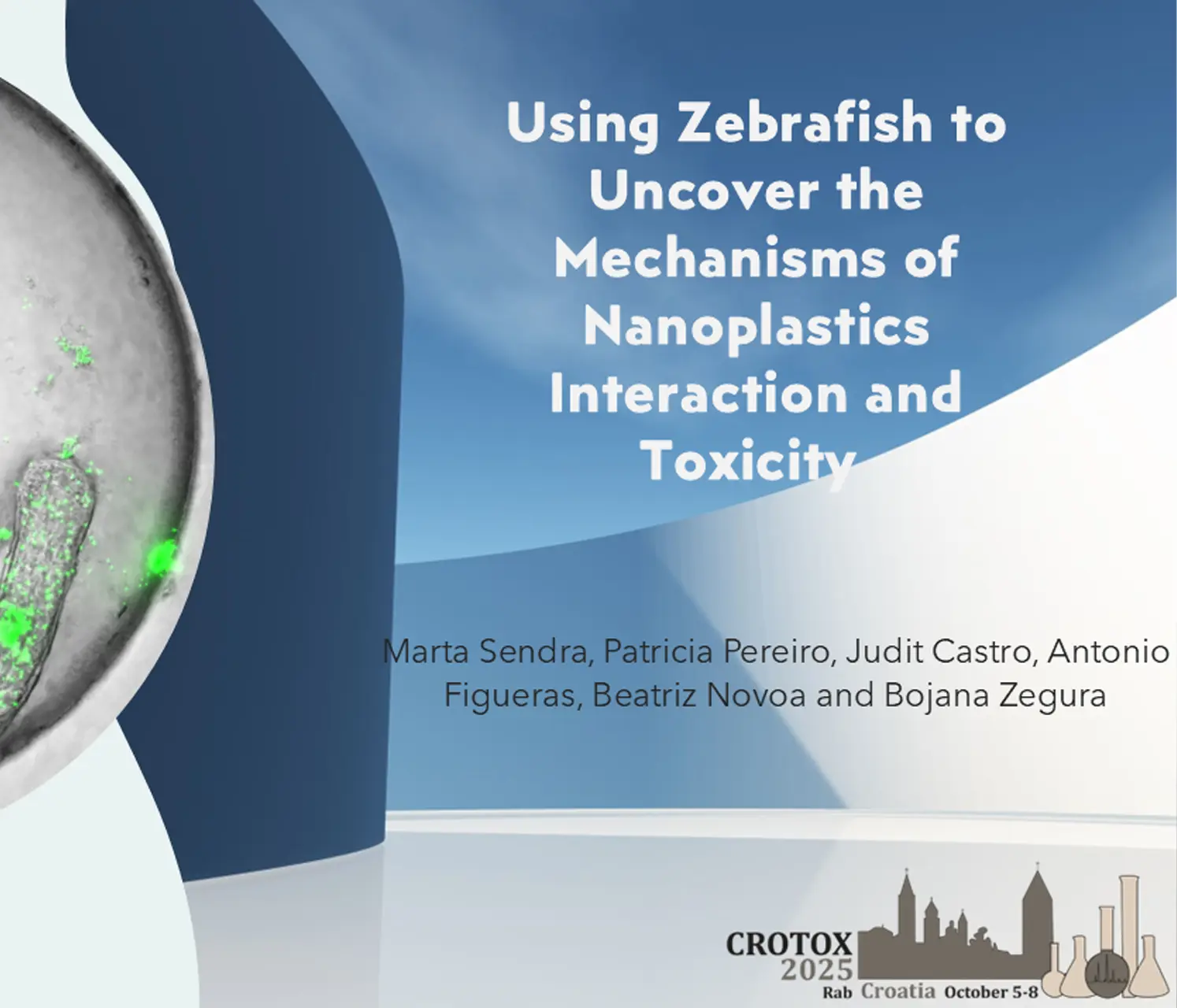
Oral presentation and invited lecture: Using zebrafish to uncover the mechanisms of nanoplastics interaction and toxicity. Human exposure to nanoplastics is an emerging health concern, yet the biological effects of different sizes and exposure routes remain poorly understood.
-
International Symposium on Environmental Toxicology
Invited lecture and research presentation: From coastal plastic debris to nanoscale risk assessment. Plastic fragments collected from European coastal areas degrade progressively, generating micro- and nanoplastics with complex physicochemical properties.
-
NanoBreak begins
The project starts, funded by the Slovenian Research and Innovation Agency (ARIS) through the ARIS Strategic Projects / Gravitacija Call 2024, project Nº 25-ARIS-STRP-01. A five-year programme running until June 2030.